Why Children Need Someone Who Believes in Them | Mastery Martial Arts
There are moments in every child’s life when they are not yet able to see what the adults around them can see.
They may not recognize their own courage.
They may not notice their progress.
They may not believe they are capable of doing something difficult.
In those moments, children need more than instructions.
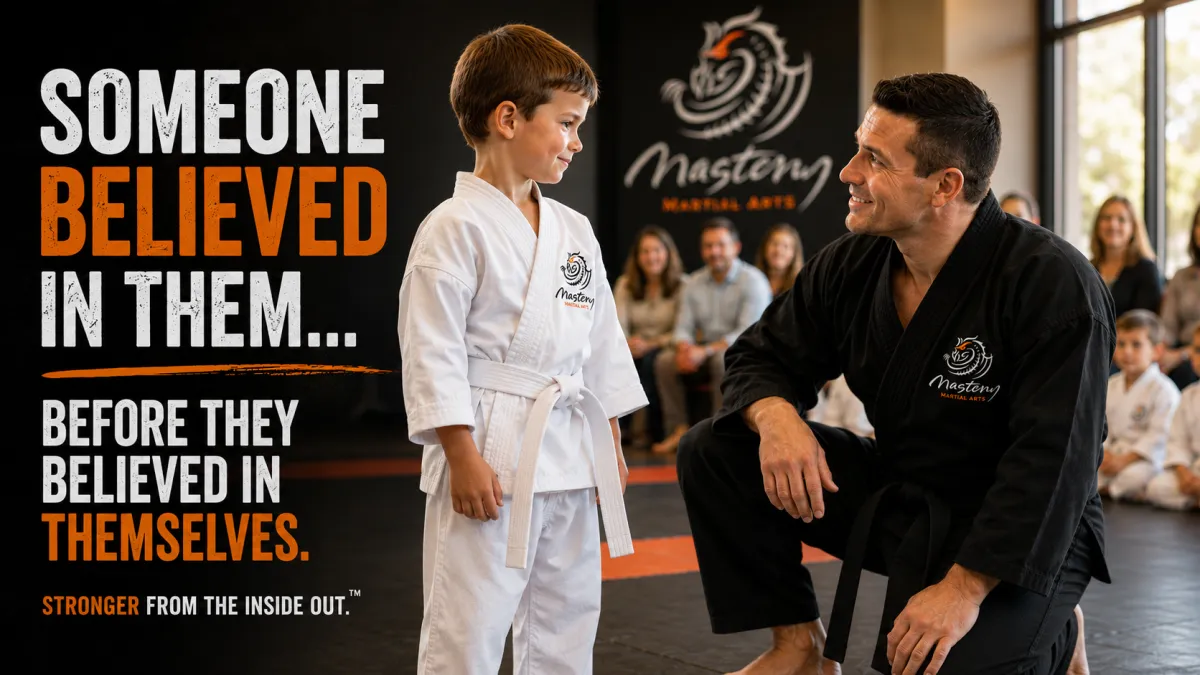
They need someone who believes in them long enough for them to begin believing in themselves.
That belief may come from a parent, teacher, coach, mentor, or martial arts instructor.
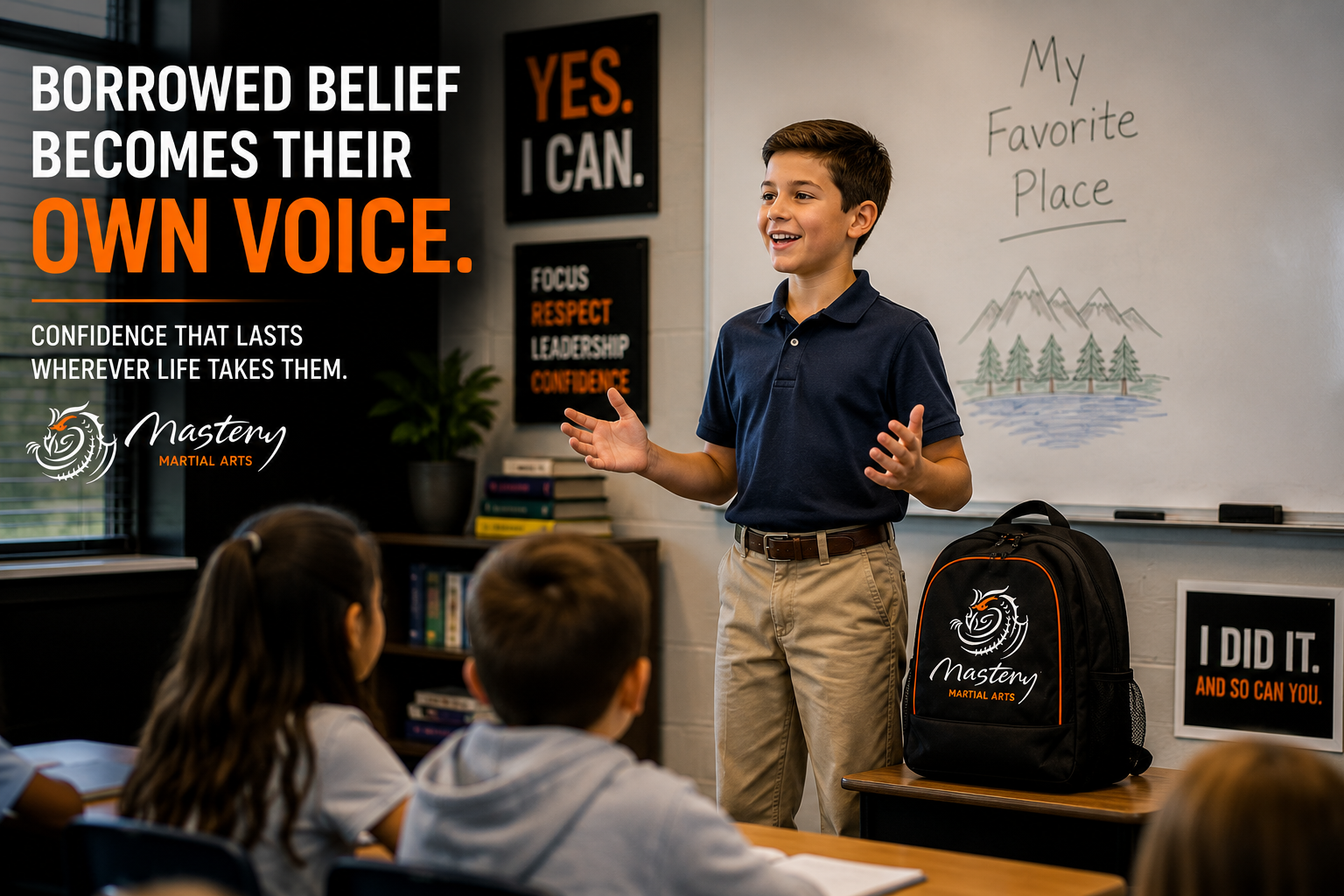
At first, the child borrows that belief.
Eventually, through experience, effort, and repeated success, it becomes their own.
For parents wondering where that process begins,how to help your child believe in themselves often starts with giving them small opportunities to discover what they can do.
Quick Answer
Children often build confidence by first borrowing belief from a trusted adult. When someone consistently communicates, “I believe you can do this,” and gives the child opportunities to experience progress, the child slowly begins to see themselves as capable. Over time, borrowed belief becomes genuine self-belief.
Key Takeaways
Children do not always recognize their own potential.
Encouragement is most powerful when paired with action and experience.
Adults should support children without rescuing them from every struggle.
Repeated moments of progress help children develop lasting self-belief.
Confidence grows when a child begins thinking, “Maybe I can do this.”
Children Often See Themselves Through the Eyes of the Adults Around Them
Young children are constantly forming conclusions about themselves.
They are quietly asking:
“Am I capable?”
“Do I belong?”
“Can I handle this?”
“What happens when I make a mistake?”
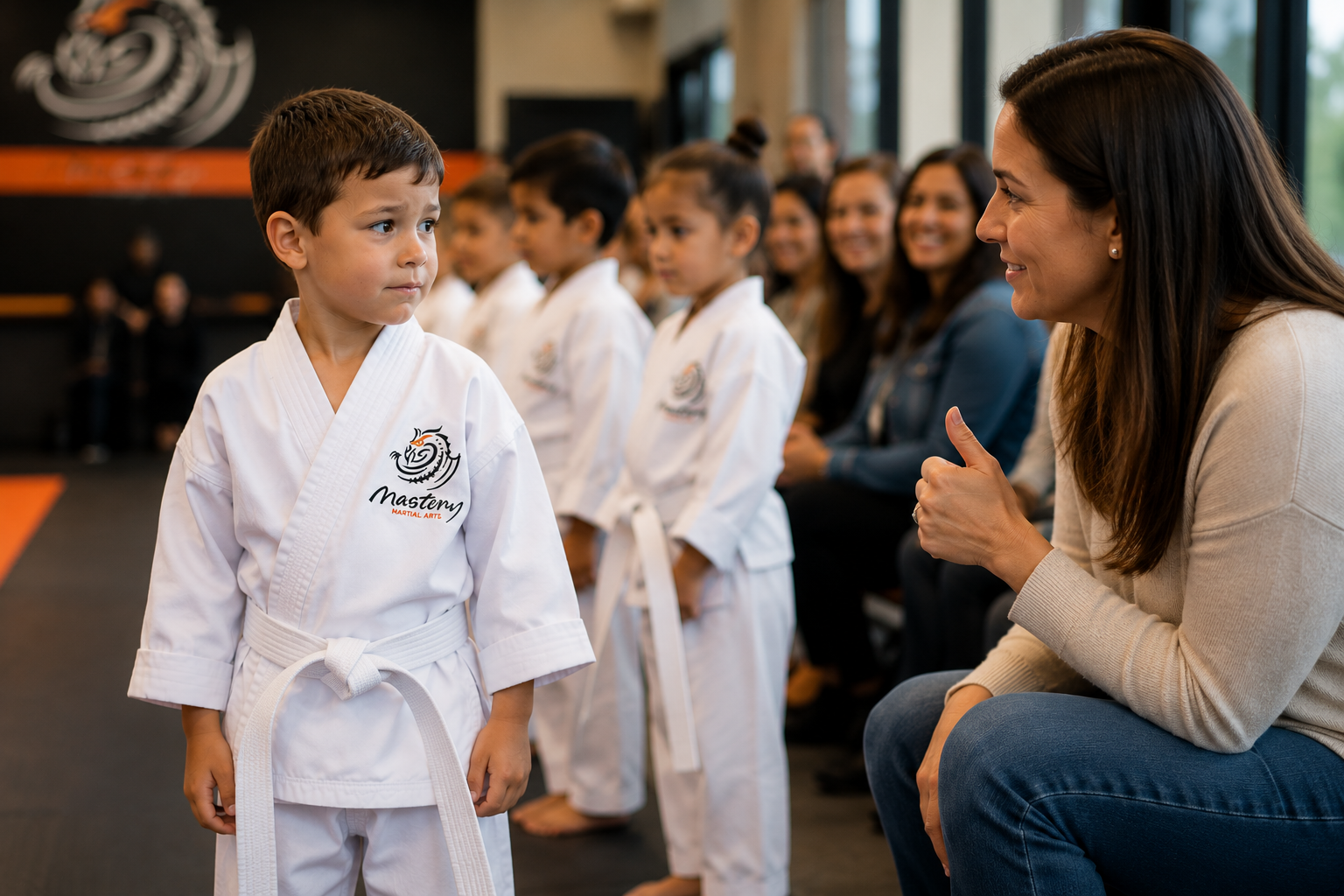
They often look to trusted adults for the answers.
A child who repeatedly hears impatience, doubt, or criticism may begin to assume that something is wrong with them.
A child who experiences calm encouragement and genuine belief begins forming a different conclusion:
“Maybe I am capable.”
Over time, those conclusions become part of the story a child tells themselves. That is why it matters to understand how children become the story they tell themselves.
This does not mean telling a child they are perfect.
It means helping them see that mistakes, uncertainty, and temporary frustration do not define what they are capable of becoming.
Belief Is Not the Same as Empty Praise
Children can usually feel the difference between real belief and automatic praise.
Saying “You’re amazing” after everything they do may feel good for a moment, but it does not always help them understand why they should believe in themselves.
More useful encouragement sounds like:
“I saw how hard you kept working.”
“You were nervous, and you still tried.”
“That was difficult, but you stayed with it.”
“You handled that better than you did last time.”
This kind of language helps a child connect confidence to effort, courage, progress, and action.
They begin learning that belief in themselves does not have to depend on being naturally talented or immediately successful.
That is also why building confidence in kids requires more than praise. Children need real experiences that show them they are capable of learning, growing, and improving.
Borrowed Belief Helps Children Begin
Most children do not begin something new feeling completely confident.
They may feel uncertain.
They may compare themselves to other children.
They may worry about making a mistake.
They may quietly wonder whether they belong.
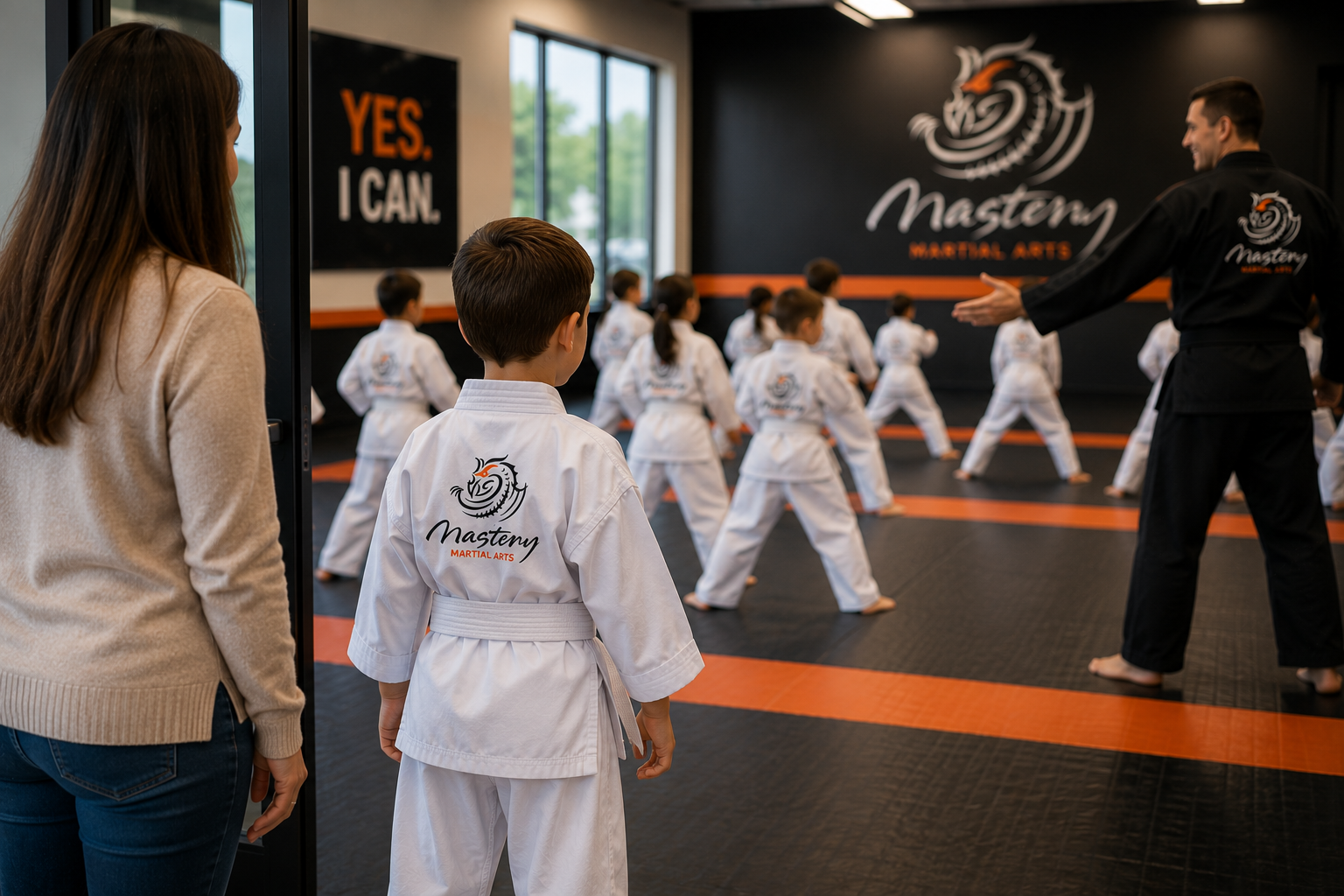
This is where borrowed belief matters.
A trusted adult communicates:
“You do not have to know how to do everything yet.”
“You are allowed to be new.”
“I believe you can learn.”
“I will stay beside you while you figure it out.”
That belief creates enough emotional safety for the child to take the first step.
The first step creates an experience.
The experience creates evidence.
The evidence begins creating confidence.
Some children—especially thoughtful, capable children—can still question themselves even when others see their potential. Parents may find it helpful to understand why smart kids doubt themselves.
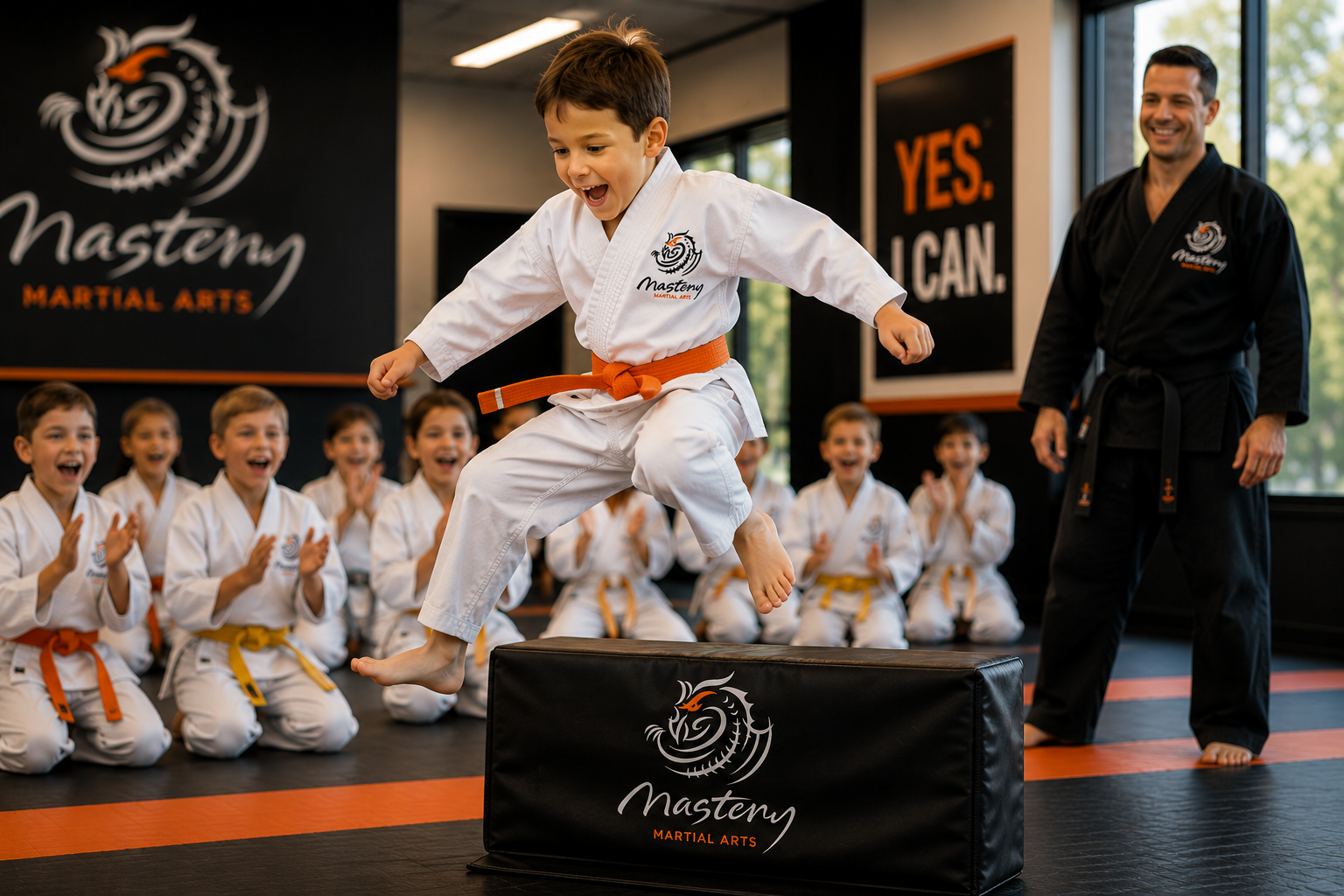
Confidence Comes From Evidence
Children do not build lasting confidence simply because adults tell them to be confident.
They build confidence when they experience themselves doing things they once thought they could not do.
A child attempts a new technique.
They struggle.
They receive guidance.
They try again.
They improve.
Then comes the moment that matters:
“I did it.”
That moment becomes evidence.
This is why confidence comes from doing hard things. Confidence is often the result of action, not the requirement for beginning.
The next time something feels difficult, the child has something to remember.
They may still feel nervous, but now they know that nervousness does not always mean they should stop.
Children also need age-appropriate opportunities to face difficulty because children need to struggle to grow. The goal is not to overwhelm them. The goal is to let them discover that discomfort can lead to growth.
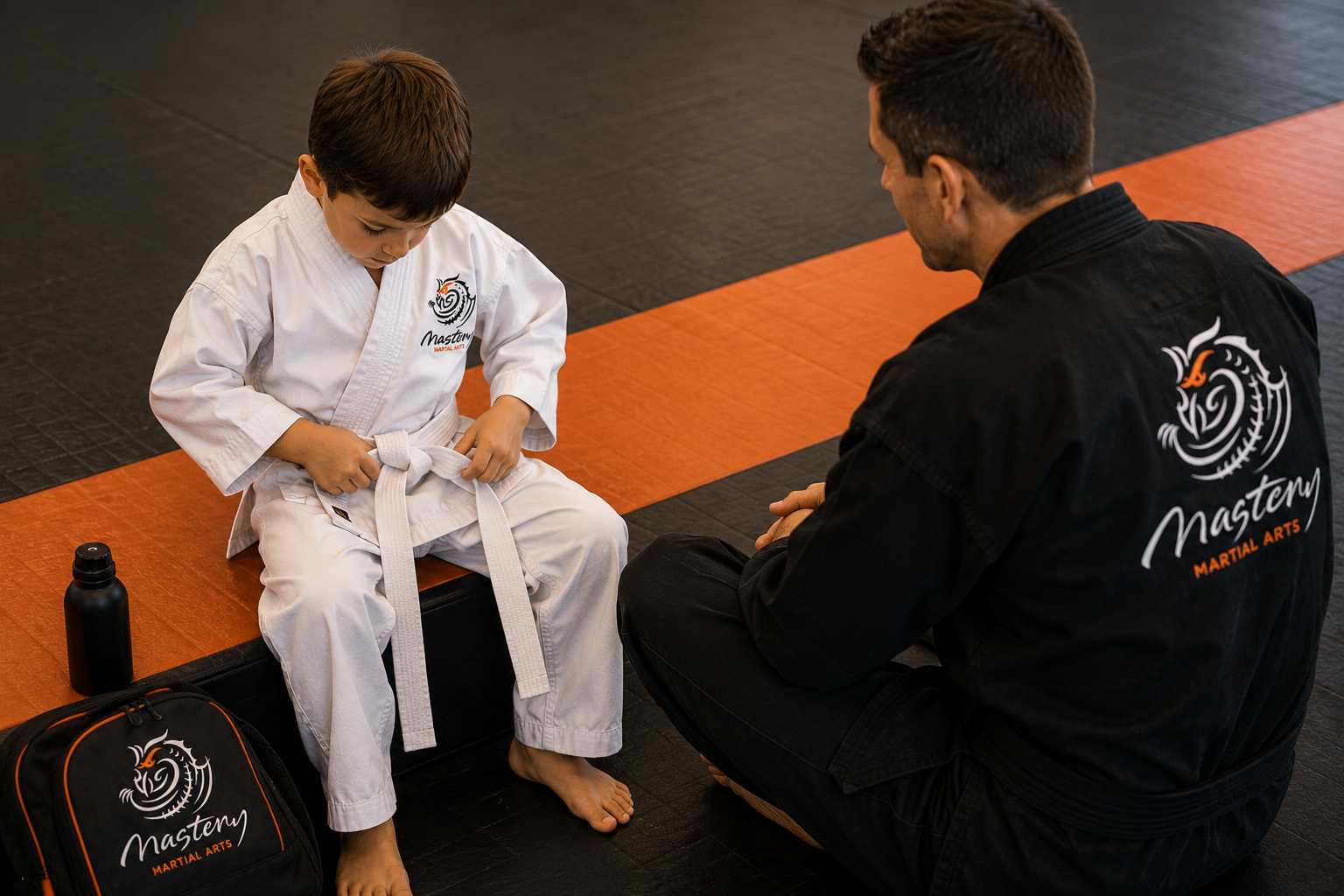
The Goal Is Not to Remove Every Struggle
When a child is uncomfortable, a parent’s natural instinct is often to help immediately.
That instinct comes from love.
But if adults remove every difficult moment too quickly, children may miss the opportunity to discover their own capability.
Support is important.
Rescuing is different.
Support says:
“I am here.”
“I believe you can work through this.”
“Let’s take the next step together.”
Rescuing says:
“This is too much for you.”
“I will take over.”
“You do not have to face this.”
Children need adults who can stay calm enough to help them move through discomfort without making the discomfort disappear immediately.
That is how resilience and confidence begin working together.
When children regularly want to stop as soon as something becomes frustrating, parents can learn how to help a child who quits too easily and build the confidence to keep going.

Parent Perspective
⭐⭐⭐⭐⭐
Nancy-Jean Vachon
Mastery Martial Arts – Cumberland
“I cannot say enough good things about Mastery Martial Arts Cumberland. The program is incredibly well thought out and meets students where they are. The focus is on so much more than the physical moves of learning karate. It uses karate to teach confidence, honesty, respect, discipline, self-esteem, and perseverance. Every instructor genuinely believes in the students and encourages them to become the best version of themselves. We’ve watched our child grow not just in martial arts skills, but in confidence and character, and those changes have carried over into everyday life.”
Read the original Google review
Five Ways Parents Can Lend Their Child Belief
Notice effort before results.
Point out the courage, focus, patience, or persistence the child demonstrated.Remind them of past progress.
Help them remember another time when something once felt hard but eventually became easier.Use calm, believable language.
Instead of saying, “This will be easy,” say, “This may be hard, but I believe you can learn it.”Let them struggle safely.
Stay nearby without immediately taking over or solving the problem for them.Celebrate the breakthrough.
When they succeed, help them recognize what they did: “You kept going even when you were frustrated.”
As children begin believing in themselves, they also become more willing to speak up, help others, and take responsibility. These are important parts of learning how to build leadership skills in kids.
The Relationship Matters
Children are more likely to accept guidance from adults they trust.
That trust is built through consistency.
A trusted adult does not embarrass a child for struggling.
They do not withdraw encouragement when the child has a difficult day.
They remain steady.
They communicate the same message through both words and actions:
“I see you.”
“I believe in you.”
“I know you are still learning.”
That kind of relationship can influence how a child approaches challenges far beyond the activity where the relationship began.
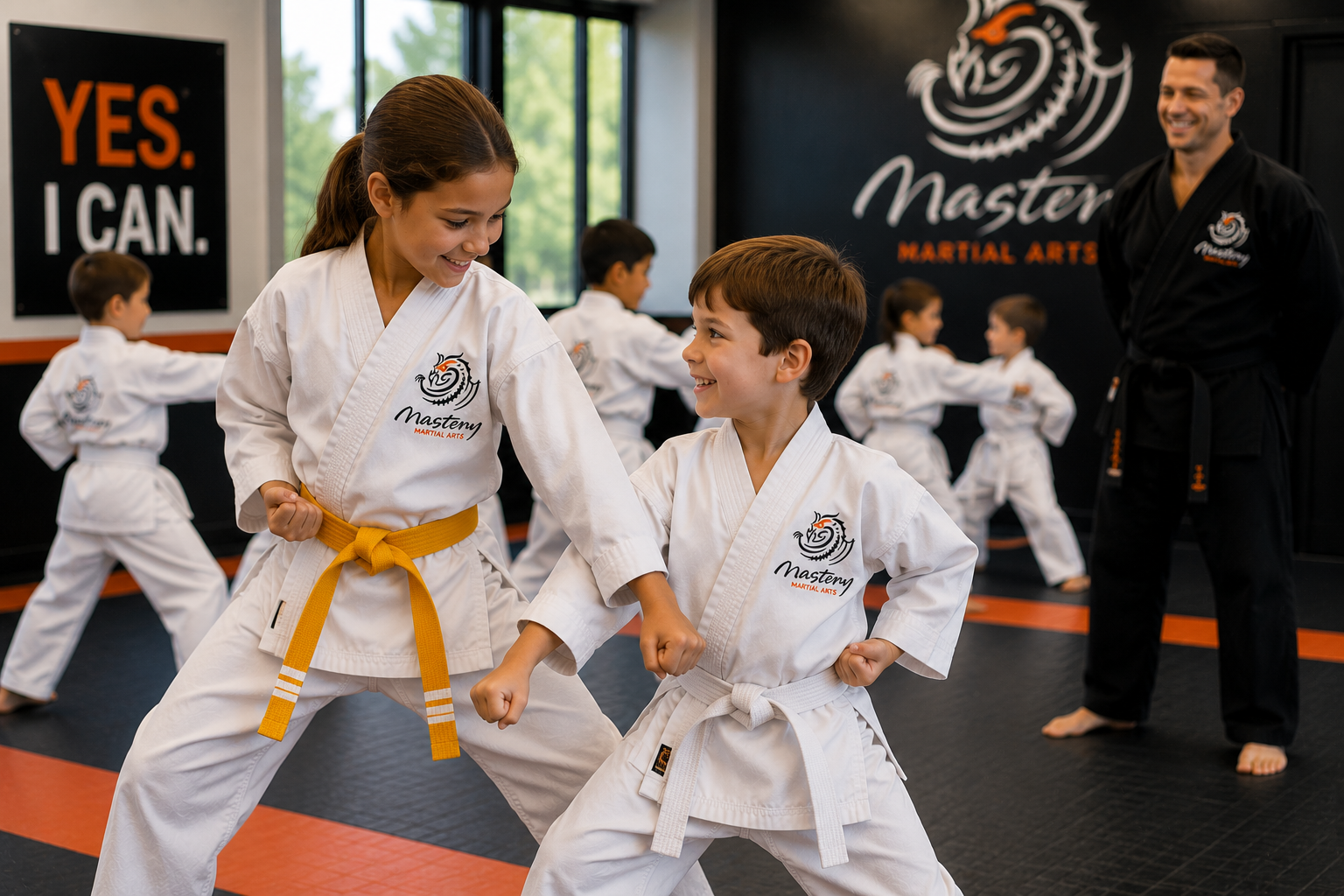
How Mastery Martial Arts Builds Self-Belief
At Mastery Martial Arts, children are not expected to arrive already feeling confident.
They are expected to arrive as they are.
Being new is normal.
Mistakes are expected.
Effort is celebrated.
Our instructors help children move through challenges one step at a time.
They do not simply tell a child, “Be confident.”
They create experiences that allow the child to discover confidence.
That is the heart of building confidence in children through martial arts. Children receive encouragement, but they also receive opportunities to practice, improve, and see evidence of their own growth.
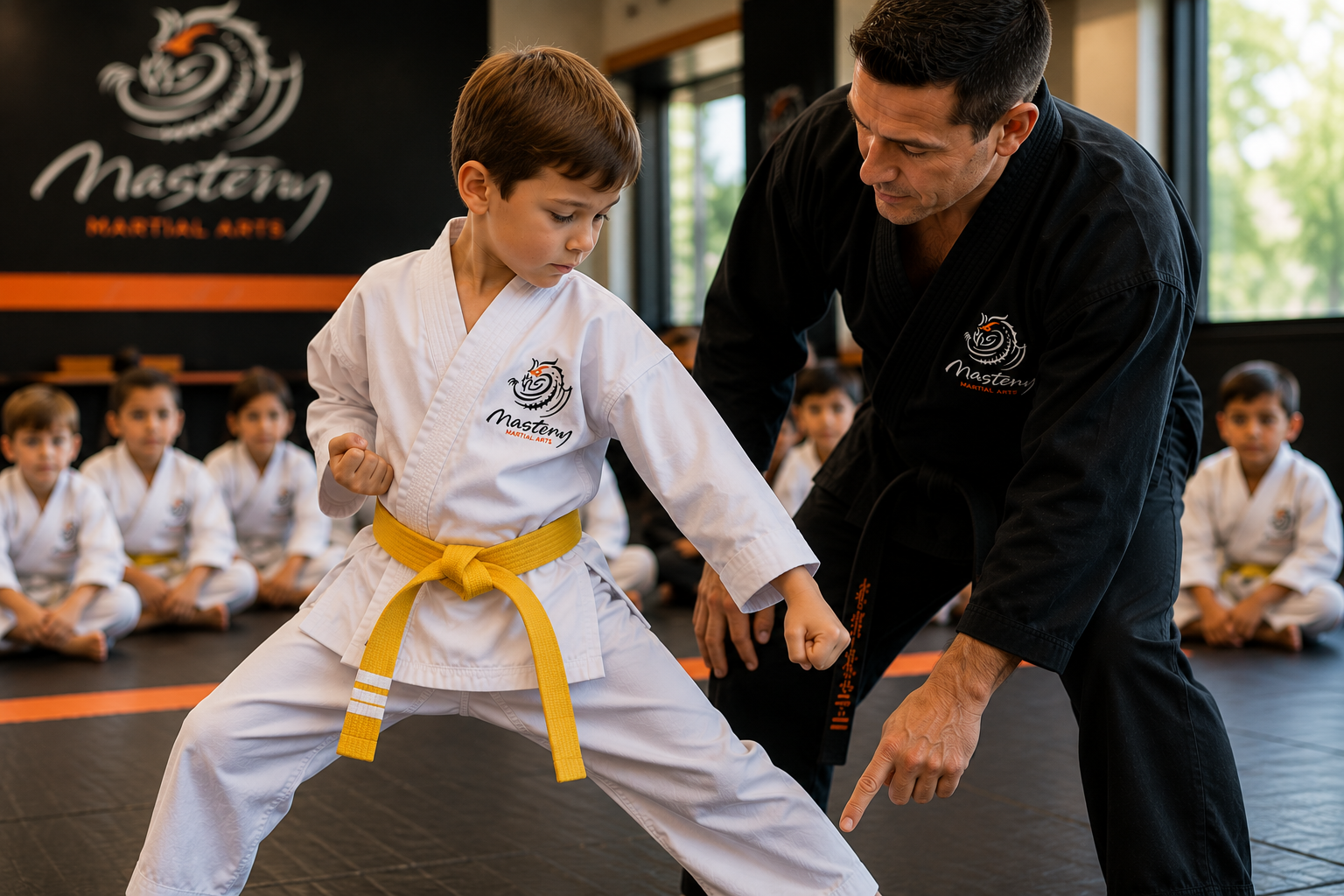
A child learns a new technique.
They practice speaking clearly.
They stand in front of classmates.
They earn a stripe.
They help a partner.
They try again after making a mistake.
Each experience gives the child another reason to think:
“I am getting better.”
“I can learn.”
“I can handle this.”
“I did it.”
A strong stance can become more than a physical position. It can help children begin developing a stronger way of seeing themselves. Learn more in Strong Stance. Strong Mind. How Martial Arts Builds Confidence From the Inside Out.
Over time, the belief that began in the instructor’s voice starts becoming the child’s own inner voice.
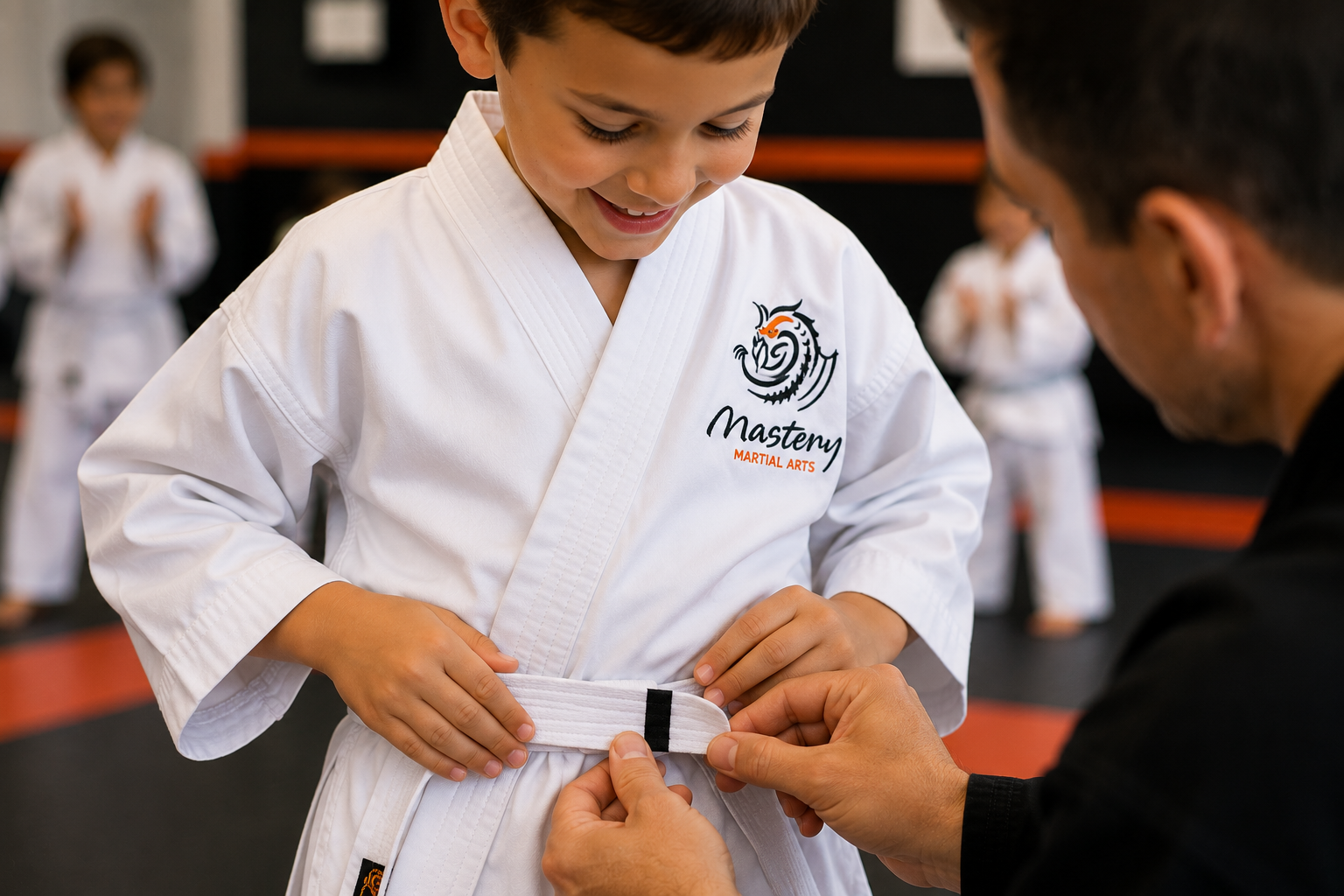
One Day, They Will Need Their Own Voice
Parents cannot stand beside their children during every difficult moment.
One day, a child will face a challenge at school, in a friendship, during a competition, or later in life without a parent standing next to them.
In that moment, they will rely on the voice they have developed inside themselves.
The goal is for that voice to say:
“I can stay calm.”
“I can figure this out.”
“I can ask for help.”
“I can keep going.”
That voice often begins with someone else saying those words first.
Frequently Asked Questions
What if my child has very low confidence?
Begin with small, achievable challenges. Children who doubt themselves often need repeated evidence of progress before their self-image begins to change.
Should parents constantly tell children they are confident?
It is usually more effective to point out specific confident behaviors, such as speaking clearly, trying something new, asking a question, or continuing after a mistake.
Can too much help reduce confidence?
Yes. When adults take over too quickly, children may conclude that they are not capable. Offer guidance while allowing the child to remain involved in solving the problem.
How long does it take for a child to build self-belief?
Confidence usually grows through repeated experiences over time. Small moments of courage and progress accumulate into a more capable self-image.
Does martial arts help children believe in themselves?
A well-structured martial arts program can provide children with repeated opportunities to practice skills, overcome challenges, receive encouragement, and experience measurable progress.
Final Thought
Every child will eventually encounter a moment when they are unsure of themselves.
They will wonder whether they are ready.
They will question whether they are capable.
They may want to step backward.
In those moments, the belief of a trusted adult can become the bridge between fear and action.
At first, the child may borrow your belief.
But every time they try, improve, and discover, “I did it,” that belief moves a little closer to becoming their own.
And one day, when you are not standing beside them, they will hear the words inside themselves:
“I believe I can.”
Continue Reading
About Mastery Martial Arts
Mastery Martial Arts has helped children become confident leaders since 1993.
Through age-specific classes, encouraging instructors, structured challenges, and consistent recognition, children learn to become Stronger From The Inside Out™.
Mastery Martial Arts serves families in Smithfield, Johnston, Cumberland, Barrington, East Greenwich, Warwick, coventry, Rhode Island, and North Attleboro, Massachusetts.
Call to Action
Your child does not need to feel completely confident before getting started.
They simply need a safe place to begin, someone who believes in them, and experiences that help them discover what they are capable of.
Activate your child’s free Mastery introductory lesson today.
