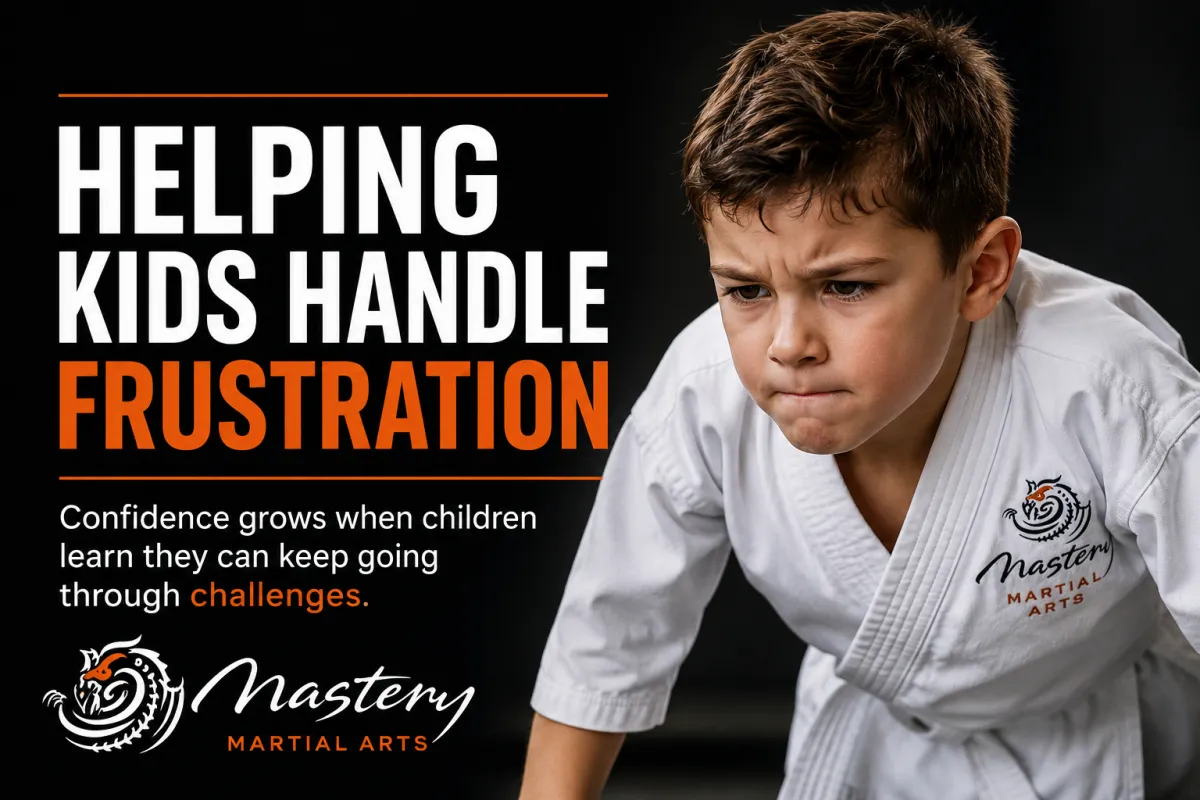
How To Help Kids Handle Frustration
How To Help Kids Handle Frustration
Frustration is one of the most important emotions a child can learn to manage.
Unfortunately, it's also one of the most misunderstood.
Many parents see frustration and immediately want to fix it.
We step in.
We offer solutions.
We try to make things easier.
We do it because we care.
But frustration itself is not the problem.
In many cases, frustration is actually a sign that growth is happening.
The real question is:
What does a child learn to do when frustration shows up?
Do they quit?
Do they shut down?
Do they blame others?
Or do they learn how to keep going?
The answer to that question often shapes a child's confidence for years to come.
Why Children Become Frustrated
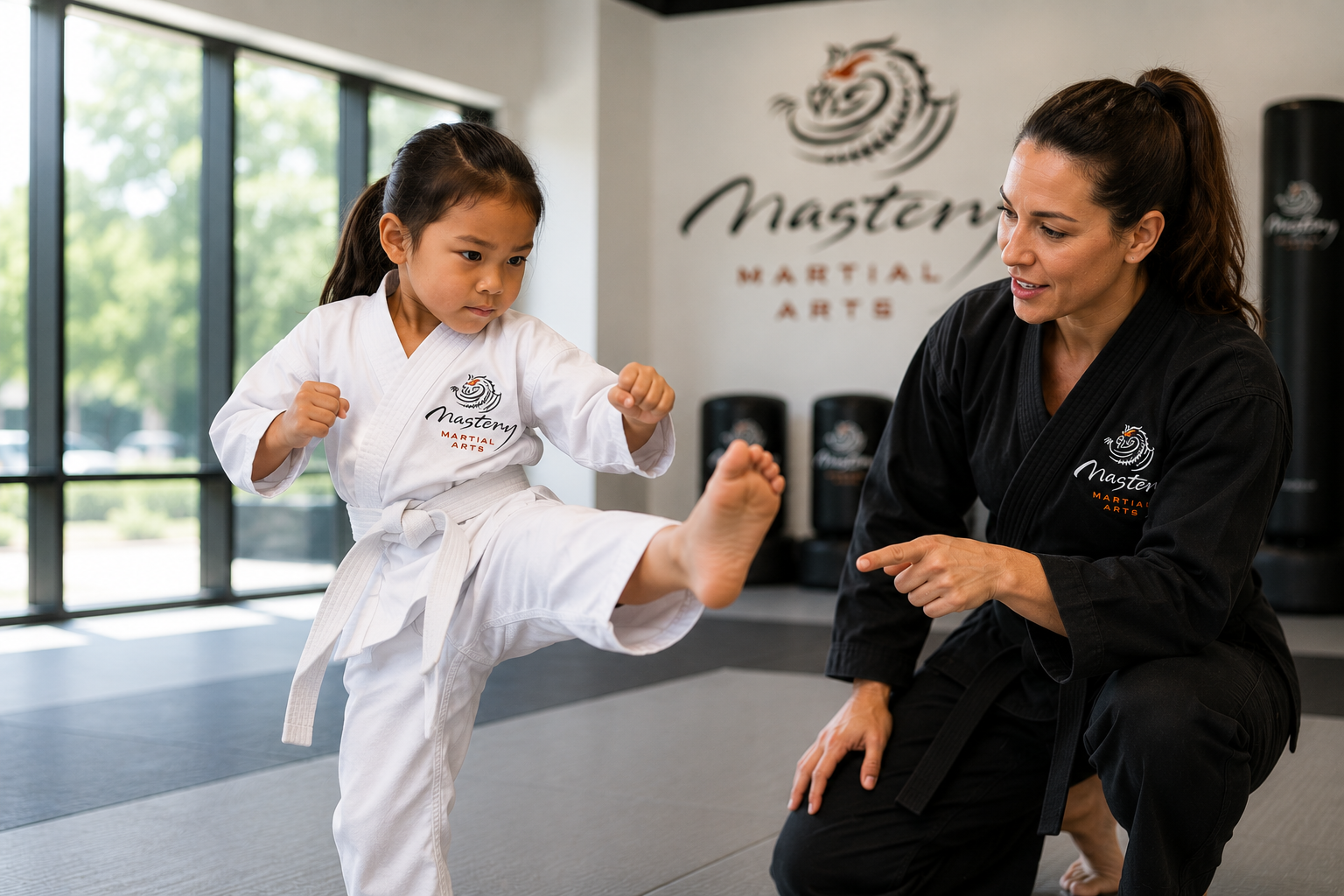
Children become frustrated when reality doesn't match expectations.
They want success.
They want progress.
They want things to work.
And when they don't, frustration appears.
Common triggers include:
Learning a new skill
Making mistakes
Losing a game
Struggling with schoolwork
Not getting immediate results
Comparing themselves to others
Many children quickly begin thinking:
"I'm not good at this."
"I can't do it."
"This is too hard."
"Everyone else is better than me."
These thoughts often become the starting point of low confidence.
It's one reason some kids give up too easily when things become difficult.
Frustration Is Not Failure
One of the biggest lessons children can learn is that frustration does not mean failure.
Frustration means they are stretching beyond their current abilities.
Think about learning to ride a bike.
Learning to read.
Learning to swim.
Learning multiplication.
None of those skills come without moments of frustration.
Growth almost always feels uncomfortable before it feels rewarding.
This is one reason kids need challenges to grow.
Challenge creates effort.
Effort creates growth.
Growth creates confidence.
What Happens When Children Avoid Frustration?
When children learn to avoid frustration, they often begin avoiding growth.
They stop trying new things.
They become afraid of mistakes.
They lose confidence in their ability to learn.
Eventually, frustration becomes something they fear rather than something they work through.
This is closely connected to why some children become afraid to fail.
If failure feels dangerous, children often stop taking risks altogether.
The Hidden Opportunity Inside Frustration
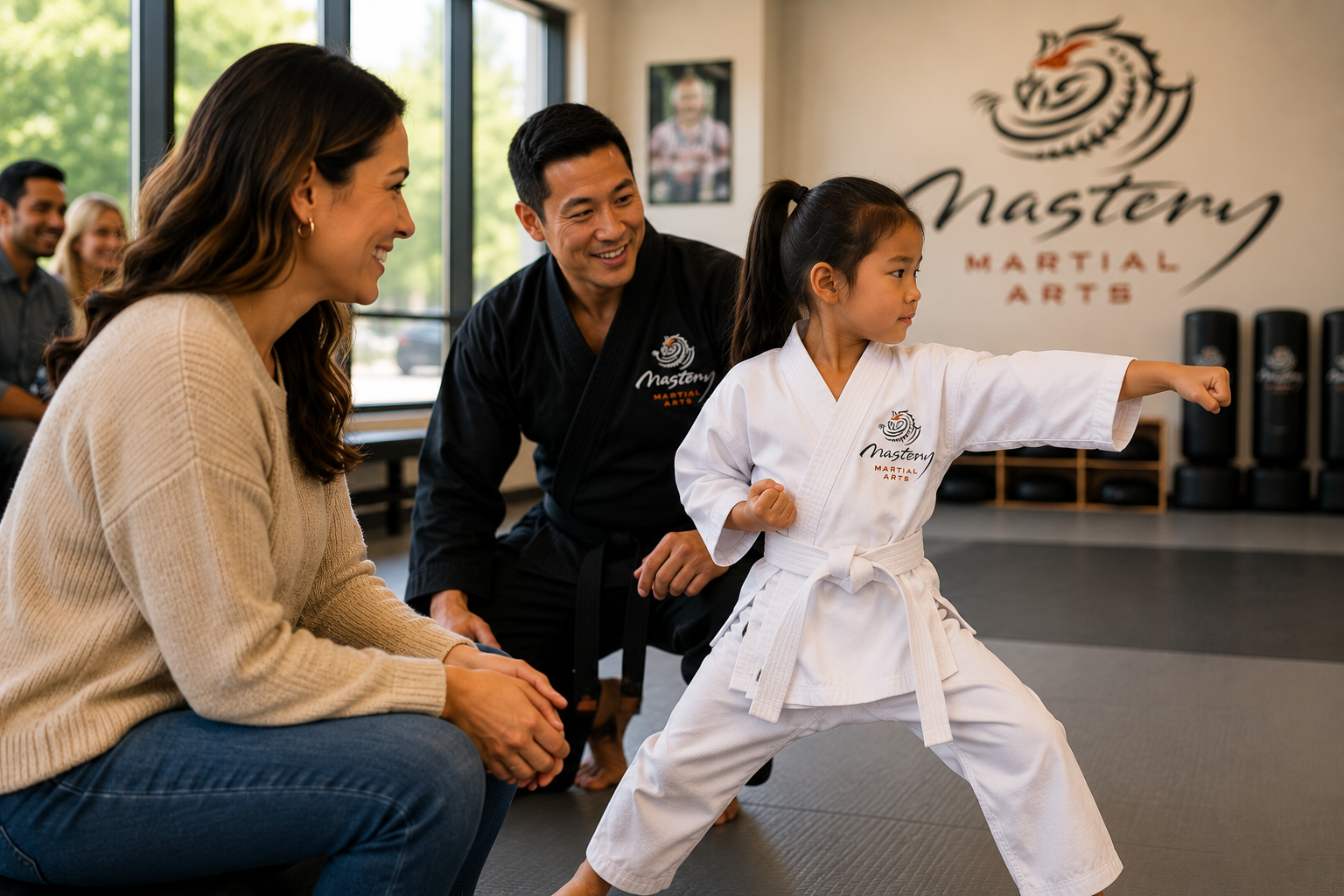
Every frustrating experience contains a hidden opportunity.
A child who works through frustration learns:
I can stay calm.
I can keep trying.
I can improve.
I can solve problems.
I can recover from setbacks.
Every time a child successfully works through frustration, they collect evidence.
Evidence that says:
"I can handle hard things."
And that evidence becomes confidence.
Real confidence.
Not confidence from compliments.
Not confidence from participation trophies.
Confidence built through experience.
That's why confidence comes from doing hard things.
What Parents Can Do
Stay Calm
Children often borrow emotional cues from the adults around them.
If we panic, they panic.
If we stay calm, they learn calm.
Sometimes the most powerful thing you can say is:
"I know this is hard."
Normalize Struggle
Many children believe successful people never struggle.
The truth is the opposite.
Successful people struggle all the time.
The difference is they keep going.
Help your child understand that frustration is part of learning.
Not evidence that they should quit.
Focus On Effort
Instead of saying:
"You're so smart."
Try saying:
"I'm proud of how hard you worked."
Effort is something children can control.
And effort is often where confidence begins.
Ask Better Questions
Instead of:
"Why are you upset?"
Try:
"What could you try next?"
This shifts attention away from the problem and toward a solution.
Add One Powerful Word
When children say:
"I can't do it."
Add:
"Yet."
"I can't do it yet."
That one word changes everything.
Why Learning To Handle Frustration Builds Confidence
Many parents believe confidence comes first.
It doesn't.
Confidence comes after children experience themselves overcoming something difficult.
This is why building confidence in kids requires more than encouragement.
Children need experiences.
They need challenges.
They need opportunities to struggle.
They need opportunities to recover.
And they need opportunities to succeed after things get difficult.
Over time they stop saying:
"I can't."
And begin saying:
"Maybe I can."
Eventually that becomes:
"Yes I Can."
What Parents Tell Us
"We enrolled our youngest in the Little Dragons program almost 3 years ago now and, to be honest, wasn't sure he or even his father and I would make it through the trial period! So many temper tantrums and meltdowns. I carried him out of there before class was over many times.
Everyone was so kind and patient with him during his one-on-one sessions that he eventually gained enough confidence to join the class on the mat. He still has challenges, but Mastery is helping us teach him how to control his emotions, develop self-esteem and confidence.
He has not only completed the Little Dragons program, he accomplished the intermediate and advanced training and just received his candidate belt."
— Tina Plante, Cumberland, Rhode Island
Read Tina Plante's Google Review
This is what frustration often looks like in real life.
It's not always school.
It's not always sports.
Sometimes it's emotional overwhelm.
Sometimes it's wanting to quit.
Sometimes it's feeling stuck.
The encouraging part is that frustration is not a permanent trait.
It's a skill.
And skills can be developed.
How Martial Arts Helps Children Handle Frustration
Every child experiences frustration in martial arts.
Learning a new kick.
Working toward a stripe.
Practicing a form.
Preparing for a belt test.
The difference is that children learn how to keep going.
They learn that frustration is not a stop sign.
It's part of the journey.
Over time they discover:
I can stay calm.
I can try again.
I can improve.
I can figure things out.
I can believe in myself.
Those lessons don't stay on the training floor.
They show up at school.
At home.
With friends.
And throughout life.
In many cases, this is how children begin to truly believe in themselves.
Related Articles
Why Kids Need Challenge to Grow
Why Some Kids Give Up Too Easily
Why Some Kids Are Afraid To Fail
Why Confidence Comes From Doing Hard Things
How To Build Confidence In Kids
How To Help Your Child Believe In Themselves
Find A Mastery Martial Arts Location Near You
Kids Martial Arts in Cumberland RI
Kids Martial Arts in Warwick RI
Ready To Help Your Child Build Confidence And Emotional Resilience?
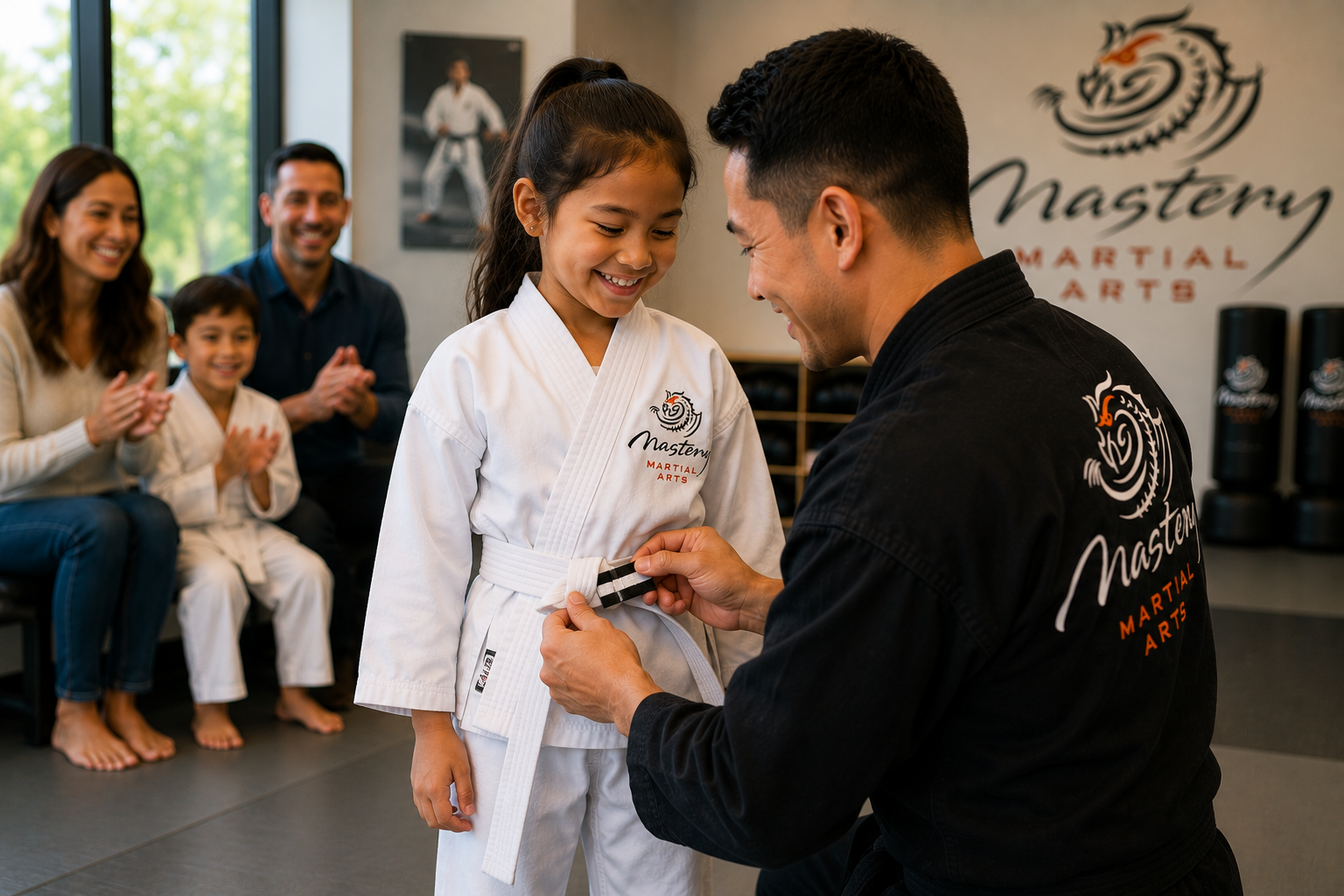
At Mastery Martial Arts, children learn more than martial arts skills.
They learn how to stay calm when things get difficult.
How to work through frustration.
How to overcome challenges.
How to persevere.
And how to believe in themselves.
Schedule a Free Mastery Introductory Lesson and discover how confidence, resilience, and emotional strength are built one challenge at a time.
