My Child Is Shy and Anxious—Here’s What Actually Helps
My Child Is Shy and Anxious—Here’s What Actually Helps
Many parents quietly worry about this.
Your child hangs back while others jump in.
They hesitate to speak up.
They overthink simple situations.
And as a parent, you wonder:
Will they grow out of this?
Am I doing enough to help them?
What if this becomes part of how they see themselves?
First—take a breath. You’re not failing your child.
Shyness and anxiety are far more common than most parents realize. The key is understandingwhat actually helps—and what unintentionally makes things harder.
Families looking for a program that focuses on confidence, focus, and emotional strength can experience this approach at our Warwick martial arts location.
Why Telling Kids “Just Be Confident” Doesn’t Work
Most shy or anxious kids alreadywantto feel confident.
The challenge isn’t motivation—it’s that confidence isn’t a switch you flip. It’s askill that’s developed through experience.
When kids are told to “just be confident,” they often feel:
More pressure
More self-awareness
More fear of getting it wrong
Instead of helping, this can cause them to retreat even further.
What kids need is a way toexperience success, not perform confidence on demand.
Confidence Grows When Kids Feel Safe to Try
Shy and anxious kids don’t need to be pushed harder.
They need:
A safe environment
Clear expectations
Encouragement without pressure
When children are allowed to try, make mistakes, and improve without judgment, something important happens.
They begin to think:
“I can handle this.”
That belief is the foundation of real confidence.
Structure Reduces Anxiety More Than You Think
One of the biggest contributors to anxiety isuncertainty.
Kids feel calmer when they know:
What’s coming next
What’s expected of them
That mistakes are part of learning
Structured environments give anxious kids a sense of stability. They don’t have to guess or worry about what might happen—they can focus on effort instead of fear.
Free Mastery Lesson –
For many families, the turning point comes when their child gets toexperienceconfidence instead of just hearing about it.
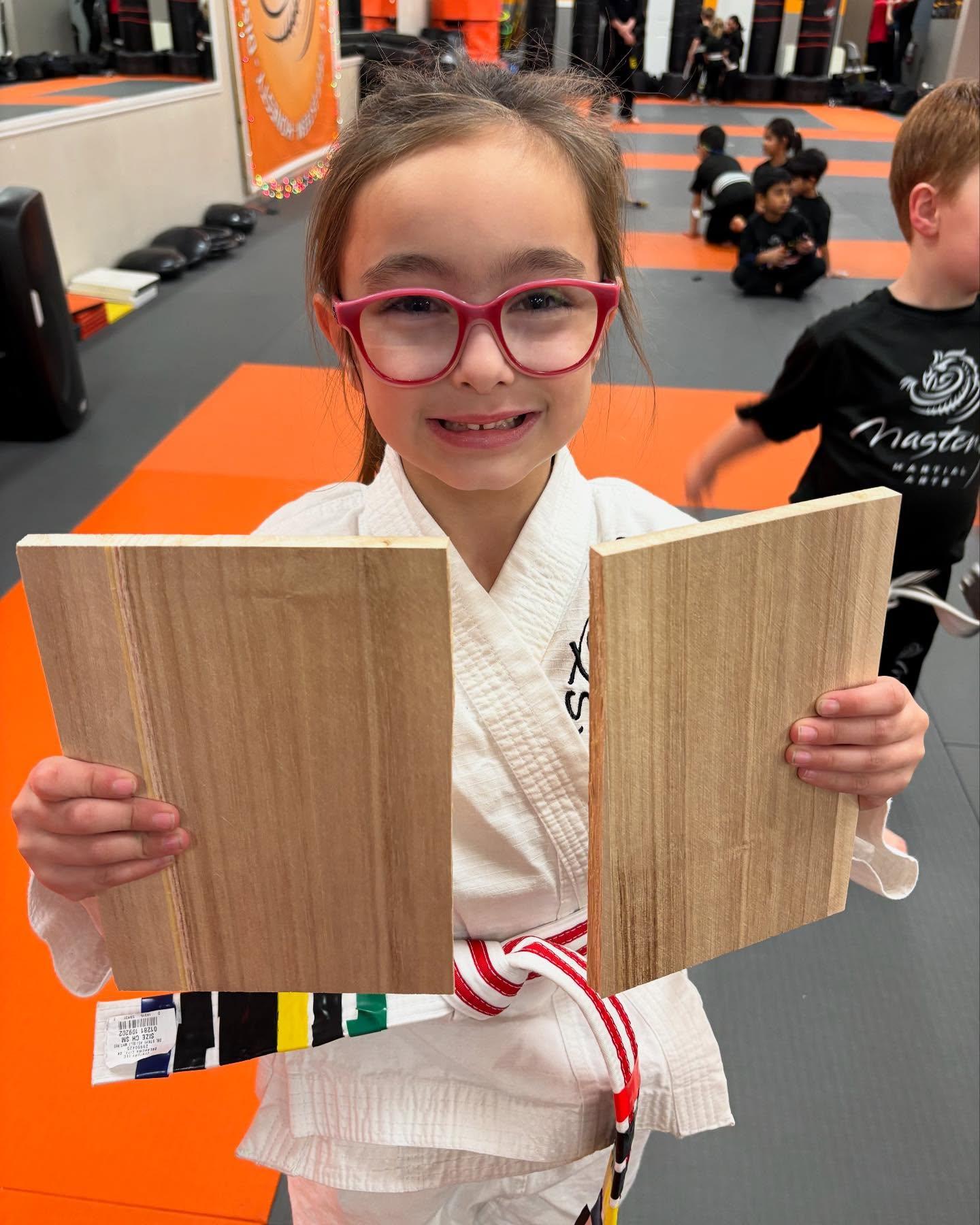
A Free Mastery Lesson gives children a safe, supportive introduction where they can move, try, and succeed at their own pace—without pressure or expectations. It’s often the first time shy or anxious kids realize,“I can do this.”
Emotional Strength Is Learned, Not Inherited
Some kids are naturally more sensitive. That’s not a weakness—it’s a trait that needs guidance.
Emotional strength comes from learning:
How to calm the body
How to recover from frustration
How to try again after a tough moment
When kids learn emotional control, anxiety no longer runs the show. They feel capable instead of overwhelmed.
What Parents Often Notice First
Parents are often surprised by the changes they see outside of training:
More willingness to speak up
Greater comfort in new situations
Less emotional shutdown when things feel hard
A calmer, more confident presence
These changes don’t happen overnight—but theydolast.
A Note to Parents Reading This
If your child is shy or anxious, it doesn’t mean they’re fragile.
It often means they’re thoughtful, observant, and sensitive to the world around them.
With the right guidance, those qualities become strengths.
Confidence doesn’t come from forcing kids to be louder.
It comes from helping them feel secure in who they are.
Shy and anxious kids don’t need to be changed—they need the right environment to grow.
Activate your child’s free Mastery lesson by clicking this link:
👉https://masteryma.com
