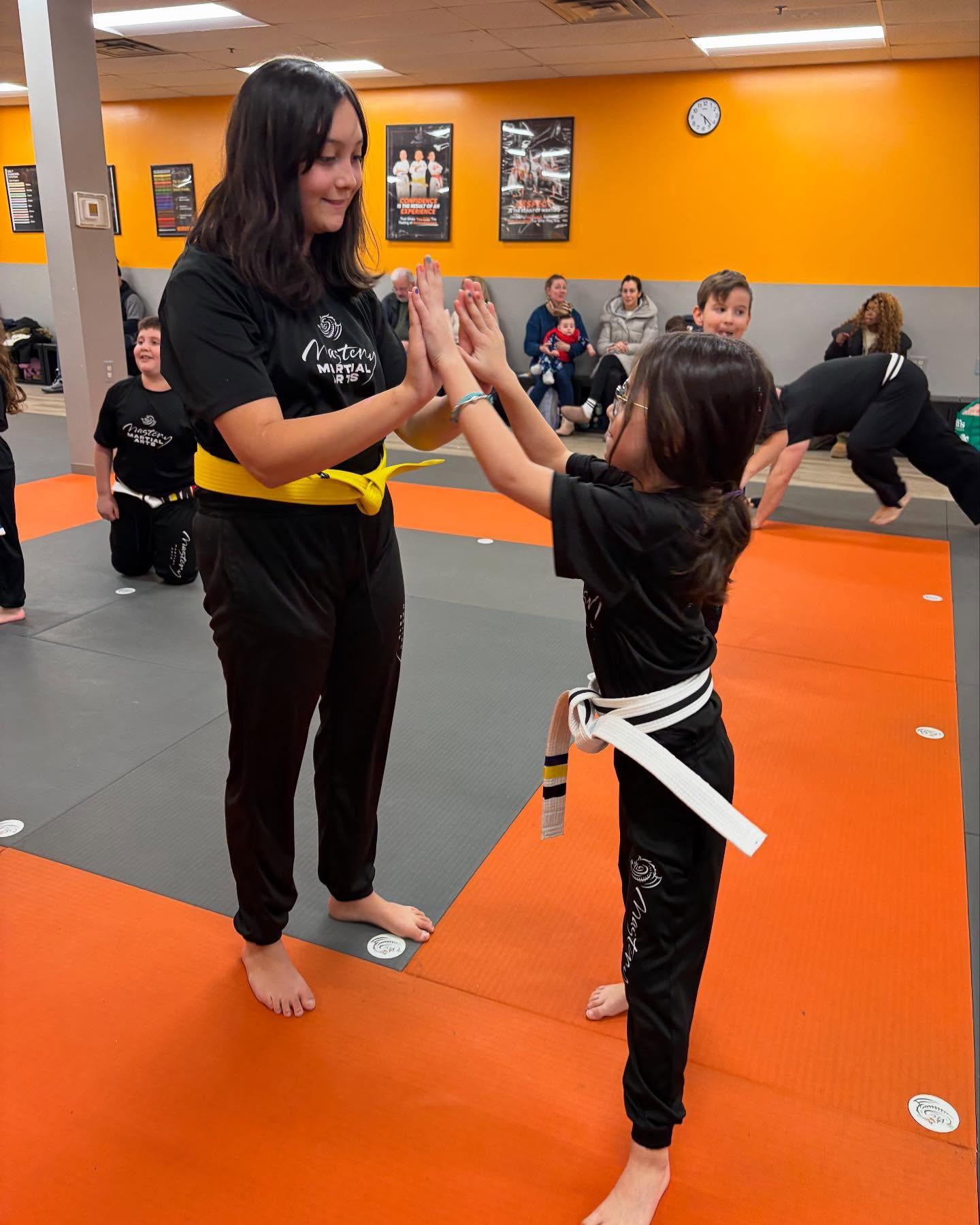
Why Praise Isn’t Building Confidence the Way Parents Think (And What Actually Does)
Why Praise Isn’t Building Confidence the Way Parents Think (And What Actually Does)
Most parents praise their children constantly.
“Good job.”
“You’re amazing.”
“You’re so smart.”
And while praise comes from love, many parents quietly wonder:
Why doesn’t my child actually feel confident?
Here’s the truth most parents aren’t told:
Praise alone doesn’t build confidence.
Why Praise Feels Good—but Fades Quickly
Praise gives kids a short emotional boost.
But without something underneath it, that feeling disappears fast.
When confidence is built only on praise, kids often:
Doubt themselves when praise stops
Avoid challenges they might fail
Need constant reassurance
Feel fragile under pressure
That’s because confidence isn’t a feeling first.
It’s a belief earned through experience.
Real Confidence Comes From Evidence
Confidence grows when a child has proof.
Proof sounds like:
“I practiced and improved.”
“I didn’t quit when it was hard.”
“I figured it out.”
Kids don’t become confident because someone told them they are.
They become confident because theyexperienced themselves succeeding through effort.
This is why environments that buildconfidence, focus, and emotional strength are so powerful.
👉https://masteryma.com/post/how-martial-arts-builds-confidence-focus-emotional-strength
Why Too Much Praise Can Backfire
Excessive praise can unintentionally teach kids:
Confidence comes from approval
Effort matters less than outcome
Mistakes are something to avoid
Over time, kids may stop trusting themselves—and start relying on external validation.
Parents often notice this when kids:
Give up easily
Fear failure
Melt down when corrected
This isn’t a motivation problem.
It’s a confidence foundation problem.
What Actually Builds Lasting Confidence
Confidence grows when kids are guided through:
Clear expectations
Consistent structure
Safe challenges
Supportive correction
When effort is emphasized more than outcome, kids begin to trust themselves.
They learn:
“I don’t have to be perfect to be capable.”
That’s the kind of confidence that lasts.
Free Mastery Lesson
Many parents see confidence shift when a child experiences effort-based success in the right environment. A Free Mastery Lesson gives kids the chance to try, struggle, improve, and succeed—helping confidence form naturally instead of being forced.
Confidence and Emotional Control Are Connected
Kids who build real confidence also tend to:
Handle frustration better
Stay calmer under pressure
Recover faster from mistakes
That’s because confidence creates emotional safety.
Children who trust themselves don’t panic when things feel hard.
They pause, adjust, and continue.
This is why confident kids often handle pressure better than their peers.
👉https://masteryma.com/post/why-confident-kids-handle-pressure-better
What Parents Often Notice First
As confidence shifts from praise-based to experience-based, parents often notice:
Less reassurance seeking
More independence
Increased perseverance
Better emotional regulation
Confidence becomes quieter—but stronger.
Praise isn’t wrong.
It just works best after effort, not instead of it.
When kids are guided to earn confidence through action, praise reinforces belief instead of replacing it.
That’s how children develop self-trust—not just self-esteem.
What Barrington Families Are Saying
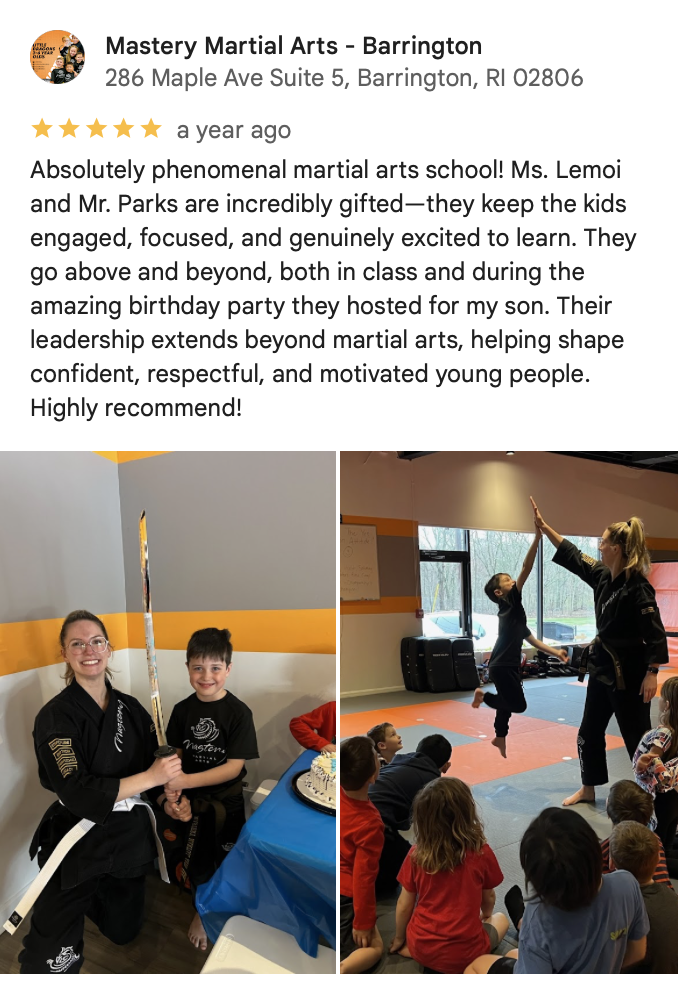
Many parents are searching for more than just martial arts classes for their child. They want an environment filled with strong role models, positive leadership, encouragement, and mentors who genuinely care about helping children grow into confident and respectful young people.
That’s exactly what this Barrington parent shared about their family’s experience at Mastery Martial Arts:
“Ms. Lemoi and Mr. Parks are incredibly gifted—they keep the kids engaged, focused, and genuinely excited to learn.”
One of the most powerful things children can experience is being surrounded by mentors who help them steadily build confidence, focus, discipline, and belief in themselves while still making learning fun and exciting.
As this parent beautifully described:
“Their leadership extends beyond martial arts, helping shape confident, respectful, and motivated young people.”
At Mastery Martial Arts Barrington, our mission is to help children grow stronger physically, mentally, emotionally, and socially through structured martial arts training and positive mentorship.
Many families also discover that the positive influence and encouragement children receive extends far beyond the mat and into everyday life at home, school, and in social situations.
Read the full parent review here:
https://maps.app.goo.gl/W3fQMg7UkrRVeQrS6
Author Bio
This article was written by the leadership team behind Mastery Martial Arts, where martial arts is used as a tool to help children build confidence, focus, emotional strength, and character. For over two decades, Mastery has partnered with families to support children through the moments that shape who they become.
🌟 Join Our Mastery Parents Community
Raising confident kids is easier when you’re surrounded by parents who value growth over pressure. Join ourMastery Parents Facebook Communityto connect, learn, and support each other.
👉https://www.facebook.com/share/g/1BnGCZYFPa/
Real confidence isn’t given—it’s built.
Activate your child’s free Mastery lesson by clicking this link:
👉https://masteryma.com
