The Ultimate Guide to Martial Arts for Preschoolers (Ages 3-6)

The Ultimate Guide to Martial Arts for Preschoolers (Ages 3-6)
Published: October 9, 2025 | Reading Time: 8 minutes
Watching your preschooler attempt their first martial arts kick or proudly demonstrate a new stance is one of those magical parenting moments that stays with you forever. But behind that adorable exterior lies something much more profound: a comprehensive developmental program that's building your child's physical, mental, and emotional foundation for lifelong success.
If you're considering martial arts for your 3-6 year old, you're making one of the most impactful decisions you can make for their early development. Research published in the journal Children confirms that martial arts programs are particularly beneficial for preschool children, improving not just physical fitness but also cognitive development, social skills, and emotional regulation.
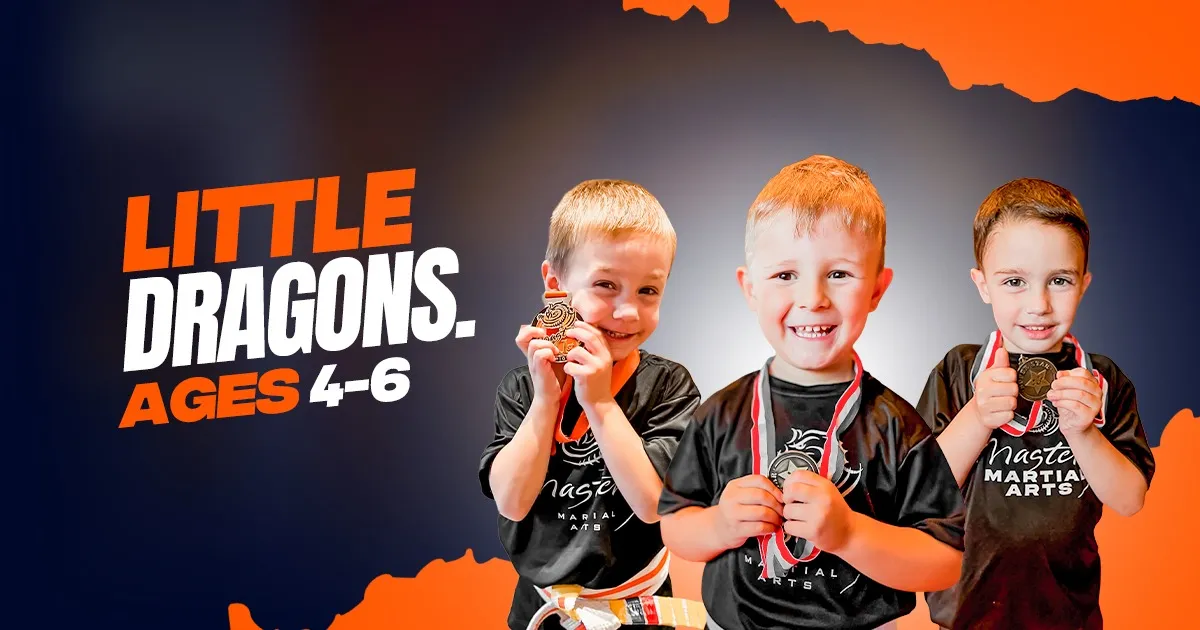
At Mastery Martial Arts™, our Little Dragons program has been specifically designed for the unique developmental needs of preschoolers. We've worked with thousands of children ages 3-6, watching them transform from energetic toddlers into focused, confident, and capable young students. Today, we're sharing everything you need to know about martial arts for preschoolers—from the incredible developmental benefits to what makes a quality program and how to support your child's martial arts journey at home.
Whether your child is naturally athletic or still working on basic coordination, whether they're outgoing or shy, martial arts offers something special for every preschooler. This comprehensive guide will help you understand why the preschool years are the perfect time to begin martial arts training and how to choose the right program for your child's unique needs.
New to martial arts? If you're still deciding whether martial arts is right for your child or want to understand what makes a quality program, start with our comprehensive guide:How to Choose the Right Martial Arts Program for Your Child. This article focuses specifically on the 3-6 age group and the Little Dragons program.
The preschool years represent a unique window of opportunity for martial arts training. During this developmental stage, children's brains and bodies are primed for the type of learning that martial arts provides. Understanding why this age range is so ideal can help you appreciate the profound impact martial arts can have on your child's development.
Rapid Brain Development
Between ages 3-6, children's brains are developing at an unprecedented rate. Neural pathways are forming rapidly, and the experiences children have during this period literally shape their brain structure. Martial arts training provides the perfect combination of physical movement, cognitive challenge, and social interaction to support optimal brain development.
Motor Skill Development: Preschoolers are in the critical period for developing fundamental motor skills. The complex movements in martial arts—kicks, blocks, stances, and forms—provide exactly the type of varied, challenging movement patterns that support healthy motor development.
Cognitive Flexibility: The mental demands of martial arts training—remembering sequences, following multi-step instructions, adapting to new situations—help develop cognitive flexibility, a crucial skill for learning and problem-solving.
Executive Function: Martial arts training naturally develops executive function skills like working memory, inhibitory control, and cognitive flexibility. These skills are fundamental to academic success and emotional regulation.
Physical Development Advantages
Preschoolers are naturally active and curious about movement, making this an ideal time to introduce structured physical training. Martial arts provides comprehensive physical development that supports all areas of motor skill growth.
Balance and Coordination: The stances and techniques in martial arts require children to develop balance and coordination in ways that playground activities alone cannot provide. This enhanced balance and coordination transfers to all other physical activities.
Strength and Flexibility: Martial arts training develops functional strength and flexibility through natural, age-appropriate movements. Unlike adult fitness programs, martial arts builds strength through play-based activities that children find enjoyable.
Body Awareness: Through martial arts training, preschoolers develop proprioception—awareness of their body's position in space. This body awareness is crucial for preventing injuries and developing athletic ability.
Social and Emotional Readiness
Ages 3-6 are crucial years for social and emotional development. Children are learning to interact with peers, follow rules, and regulate their emotions. Martial arts provides an ideal environment for developing these essential life skills.
Rule-Following: Preschoolers are naturally learning about rules and expectations. The clear structure and consistent expectations in martial arts classes help children understand and internalize the importance of following rules.
Social Interaction: Martial arts classes provide structured opportunities for peer interaction. Children learn to work with partners, take turns, and support their classmates in a guided environment.
Emotional Regulation: The mindfulness and self-control aspects of martial arts training help preschoolers develop emotional regulation skills. They learn to manage excitement, frustration, and other emotions in healthy ways.
Comprehensive Developmental Benefits
Martial arts training for preschoolers provides benefits across all areas of development. Understanding these benefits can help you appreciate the full value of martial arts education for your child.
The cognitive benefits for preschoolers are particularly impressive.Research shows martial arts training literally rewires children's brains.
Physical Development Benefits
Gross Motor Skills: Martial arts techniques involve large muscle groups and whole-body movements that develop gross motor skills. Children improve their ability to run, jump, kick, and coordinate complex movements.
Fine Motor Skills: While martial arts primarily involves large movements, activities like tying belts, forming proper hand positions, and detailed technique work also support fine motor development.
Cardiovascular Health: Martial arts classes provide excellent cardiovascular exercise in a fun, engaging format. Children develop endurance and heart health without realizing they're exercising.
Flexibility and Range of Motion: The stretching and movement patterns in martial arts naturally improve flexibility and range of motion, supporting healthy physical development and injury prevention.
Cognitive Development Benefits
Memory and Sequencing: Learning martial arts forms and technique combinations exercises children's memory and sequencing abilities. These skills transfer directly to academic learning.
Focus and Attention: The concentrated practice required in martial arts helps preschoolers develop longer attention spans and better focus. Parents often report improved concentration at home and in other activities.
Problem-Solving: Martial arts training involves constant problem-solving as children learn to apply techniques in different situations and adapt to new challenges.
Following Instructions: The multi-step instructions common in martial arts classes help children develop the ability to listen, process, and follow complex directions.
Social Development Benefits
Cooperation and Teamwork: Partner exercises and group activities teach children to work together, share, and support their classmates. These cooperation skills are essential for school and social success.
Respect and Courtesy: The emphasis on respect in martial arts culture helps children learn to treat others with kindness and consideration. They practice respectful communication and behavior in every class.
Leadership Skills: As children advance, they often have opportunities to help newer students and demonstrate techniques. These early leadership experiences build confidence and social skills.
Conflict Resolution: Martial arts teaches children peaceful ways to handle disagreements and conflicts. They learn to stand up for themselves without being aggressive.
Emotional Development Benefits
Self-Confidence: The progressive achievement system in martial arts builds genuine self-confidence based on real accomplishment. Children develop belief in their ability to learn and succeed.
Emotional Regulation: Martial arts training includes mindfulness and self-control practices that help children manage their emotions effectively. They learn to stay calm under pressure and respond thoughtfully.
Resilience: The challenges and setbacks inherent in martial arts training teach children to bounce back from difficulties and persist through challenges.
Self-Discipline: Children learn to control their impulses, follow through on commitments, and make good choices even when it's difficult.
What Makes a Quality Preschool Martial Arts Program
Not all martial arts programs are suitable for preschoolers. Quality programs for this age group have specific characteristics that ensure safety, engagement, and developmental appropriateness.
Age-Appropriate Curriculum
Simplified Techniques: Techniques should be broken down into simple, achievable steps that preschoolers can master. Complex movements should be taught progressively as children develop the necessary skills.
Short Activity Segments: Preschoolers have limited attention spans, so quality programs break classes into short, varied activities that maintain engagement and interest.
Play-Based Learning: The best programs for preschoolers incorporate games, stories, and imaginative play into martial arts instruction. Learning should feel like fun, not work.
Developmental Progression: The curriculum should be designed around child development principles, with activities and expectations appropriate for each stage of preschool development.
Qualified Instructors
Child Development Training: Instructors should understand preschool development and have training in age-appropriate teaching methods. Teaching 3-6 year olds requires specialized skills.
Patience and Enthusiasm: Working with preschoolers requires exceptional patience and genuine enthusiasm for working with young children. Instructors should be energetic, positive, and encouraging.
Safety Awareness: Instructors must be vigilant about safety, understanding the physical and emotional needs of preschoolers and maintaining appropriate supervision at all times.
Communication Skills: Quality instructors can communicate effectively with both children and parents, providing clear instruction and regular feedback on progress.
Safe, Engaging Environment
Child-Sized Equipment: Training equipment should be appropriate for preschooler size and strength. Mats, targets, and other equipment should be scaled for young children.
Clean, Safe Facilities: The training area should be clean, well-maintained, and free from hazards. Safety should be the top priority in facility design and maintenance.
Positive Atmosphere: The overall atmosphere should be positive, encouraging, and fun. Children should feel safe to try new things and make mistakes without fear of criticism.
Parent-Friendly Policies: Quality programs welcome parent observation and involvement, understanding that family support is crucial for preschooler success.
Parents often worry about safety with young children. The good news:martial arts has lower injury rates than most children's activities.
The Little Dragons Program at Mastery Martial Arts™
Our Little Dragons program represents the gold standard in preschool martial arts education. Developed specifically for children ages 3-6, our program combines traditional martial arts wisdom with modern understanding of child development to create an optimal learning experience.
Our Unique Approach
Developmental Stages: We recognize that a 3-year-old has very different needs than a 6-year-old. Our program is structured around developmental stages, ensuring that each child receives age-appropriate instruction.
Character Integration: Every class includes character development activities that teach important life skills like respect, responsibility, and perseverance. These lessons are woven seamlessly into martial arts instruction.
Multi-Sensory Learning: We incorporate visual, auditory, and kinesthetic learning styles to ensure every child can succeed. Our instruction methods accommodate different learning preferences and abilities.
Family Partnership: We believe that parents are crucial partners in their child's development. We provide regular communication, home practice suggestions, and family involvement opportunities.
Curriculum Highlights
Foundation Skills: We start with basic movements, balance exercises, and simple techniques that build the foundation for more advanced martial arts skills.
Character Themes: Each month focuses on a specific character trait, with activities, discussions, and recognition opportunities that reinforce positive values.
Progressive Achievement: Our belt system is designed to provide frequent opportunities for recognition and advancement, keeping preschoolers motivated and engaged.
Life Skills Integration: We help children understand how martial arts skills apply to everyday situations at home, school, and in social settings.
Safety and Quality Assurance
Certified Instructors: All our Little Dragons instructors are specially trained in preschool development and age-appropriate teaching methods.
Small Class Sizes: We maintain low student-to-instructor ratios to ensure individual attention and optimal safety.
Continuous Improvement: We regularly evaluate and update our curriculum based on the latest research in child development and feedback from families.
Family Communication: We provide regular progress reports and maintain open communication with parents about their child's development.
Supporting Your Preschooler's Martial Arts Journey
While quality instruction is crucial, your support as a parent plays an equally important role in your child's martial arts success. Here are ways you can support your preschooler's martial arts journey:
At Home Practice
Simple Techniques: Practice basic stances, blocks, and kicks at home. Keep sessions short and fun, focusing on effort rather than perfection.
Character Reinforcement: Discuss the character traits your child is learning in martial arts and look for opportunities to recognize these traits in daily life.
Patience and Encouragement: Remember that preschoolers develop at different rates. Focus on effort and improvement rather than comparing your child to others.
Consistency: Regular attendance is crucial for preschooler success. Make martial arts classes a priority in your family schedule.
Communication with Instructors
Share Information: Let instructors know about your child's interests, challenges, and any changes at home that might affect their behavior or performance.
Ask Questions: Don't hesitate to ask about your child's progress, specific techniques, or ways you can support their development at home.
Provide Feedback: Share observations about how martial arts training is affecting your child's behavior and development outside of class.
Be Patient: Remember that character development and skill acquisition take time. Trust the process and celebrate small victories along the way.
Creating a Supportive Environment
Positive Attitude: Maintain a positive attitude about martial arts training. Your enthusiasm and support will influence your child's experience.
Realistic Expectations: Understand that preschoolers will have good days and challenging days. Focus on long-term development rather than daily performance.
Celebrate Progress: Acknowledge and celebrate your child's achievements, both big and small. Recognition motivates continued effort and growth.
Connect with Other Families: Build relationships with other martial arts families. The community aspect enhances the experience for both children and parents.
Common Concerns and How to Address Them
Many parents have concerns about martial arts for preschoolers. Here are the most common concerns and how quality programs address them:
"Will martial arts make my child aggressive?"
Quality martial arts programs actually reduce aggression by teaching self-control, respect, and peaceful conflict resolution. Children learn that martial arts skills are for protection and self-improvement, not for hurting others.
"Is my child too young to really benefit?"
Research shows that children as young as 3 can benefit significantly from age-appropriate martial arts training. The key is finding a program designed specifically for preschoolers.
"What if my child can't keep up or gets frustrated?"
Quality programs are designed to accommodate different developmental levels and learning styles. Instructors are trained to provide individual support and modify activities as needed.
"Is it safe for such young children?"
When taught by qualified instructors with appropriate safety protocols, martial arts is very safe for preschoolers. Programs for this age group emphasize control and safety above all else.
Long-Term Benefits of Starting Early
Children who begin martial arts training during the preschool years often experience benefits that last throughout their lives:
Academic Advantages
The focus, discipline, and goal-setting skills developed through martial arts training provide significant academic advantages. Children who practice martial arts often show improved concentration, better behavior in school, and enhanced learning ability.
Social and Emotional Skills
The respect, empathy, and emotional regulation skills developed through martial arts training help children build stronger relationships and navigate social situations more effectively throughout their lives.
Physical Health and Fitness
Early martial arts training establishes healthy movement patterns and a positive relationship with physical activity that often continues into adulthood.
Character Development
The character traits developed through martial arts—integrity, perseverance, respect, and self-discipline—form the foundation for ethical decision-making and personal success throughout life.
Getting Started: Your Preschooler's Martial Arts Adventure
If you're ready to give your preschooler the gift of martial arts training, the first step is finding a quality program that meets their developmental needs. At Mastery Martial Arts™, we invite you to experience our Little Dragons program firsthand through a trial class.
Still deciding if martial arts is right for your family? Read our guide onchoosing the right martial arts program.
What to Expect in a Trial Class
Warm Welcome: Your child will be greeted by friendly instructors who specialize in working with preschoolers.
Age-Appropriate Activities: You'll see how we adapt martial arts instruction for young children through games, stories, and fun activities.
Individual Attention: Your child will receive personalized instruction and encouragement from our experienced staff.
Character Focus: You'll observe how we integrate character development into every aspect of our instruction.
Making the Decision
Choosing martial arts for your preschooler is an investment in their comprehensive development. Consider your child's personality, interests, and developmental needs when making this decision. Most importantly, choose a program that prioritizes safety, character development, and age-appropriate instruction.
Conclusion: Setting the Foundation for Lifelong Success
Martial arts training during the preschool years provides far more than physical skills—it establishes the foundation for lifelong success in all areas of life. The physical development, cognitive growth, social skills, and character traits that children develop through quality martial arts training serve them well throughout their educational journey and beyond.
At Mastery Martial Arts™, we understand the incredible potential that lies within every preschooler. Our Little Dragons program is designed to nurture that potential, helping children develop the confidence, discipline, and character they need to succeed in school, relationships, and life.
The preschool years pass quickly, but the foundation you build during this time lasts forever. By choosing martial arts for your 3-6 year old, you're giving them tools and skills that will benefit them for decades to come.
If you're ready to begin this incredible journey with your preschooler, we invite you to schedule a trial class and see the Little Dragons program in action. Watch your child's eyes light up as they discover the joy of martial arts, and see for yourself how this ancient art can support your child's modern development needs.
Related Articles:
-How to Choose the Right Martial Arts Program for Your Child.
-At What Age Should Kids Start Martial Arts Classes
-Martial Arts Safety: Addressing Every Parent's Biggest Concern.
